How AI Is Transforming the Retail Industry
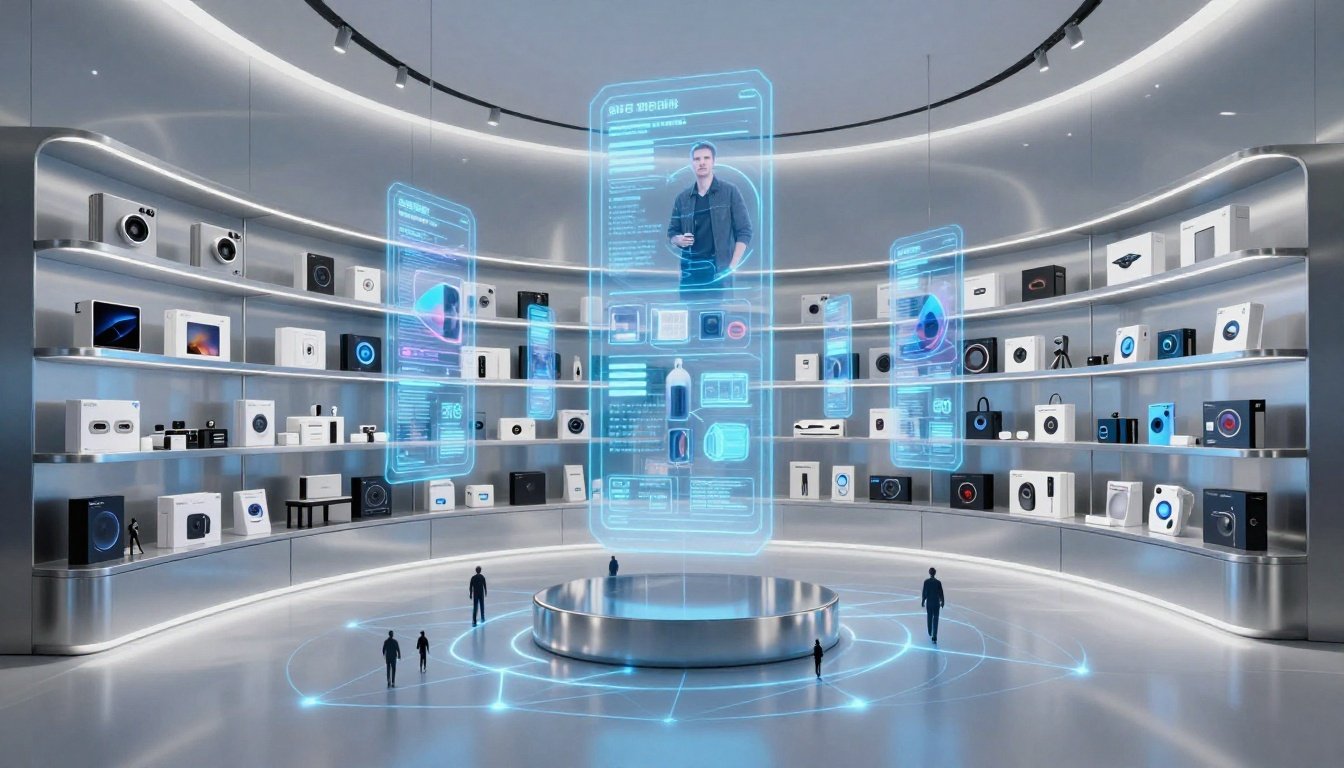
Did you know that 75% of shoppers now expect brands to understand their unique needs? That's a huge shift from just a few years ago. Retail used to rely on guesswork for customer wants, but AI changes everything. In simple terms, artificial intelligence means smart systems that learn from data to make decisions. For stores, it handles tasks like tailoring offers to you or spotting trends before they hit. Today, skipping AI isn't smart—it's a fast track to falling behind. This article breaks down how AI boosts customer service, streamlines operations, and reshapes stores. Stick around to see why it's a must for any retailer aiming to thrive.
Hyper-Personalization Driving Customer Experience (CX)
AI takes customer interactions to a new level. Gone are the days of generic emails or one-size-fits-all ads. Now, it crafts experiences just for you, based on your past buys and browses. This boosts sales and keeps folks coming back. Let's dive into the key ways it works.
AI-Powered Recommendation Engines
Think of recommendation engines as your personal shopping buddy. They use clever math to suggest items you'll love. One type, collaborative filtering, looks at what similar shoppers picked. Another, content-based, matches products to your history. Take Amazon—its "Frequently Bought Together" feature drives 35% of sales. You search for coffee, and it nudges you toward mugs or creamer. Prices even shift based on your habits, like offering deals when you're low on stock. Retailers see conversion rates jump by 20-30% with these tools. It's like having a mind reader in your cart.
Predictive Analytics for Customer Churn and Lifetime Value (CLV)
What if you could guess who'd stop shopping with you? Predictive analytics does that. Machine learning sifts through old data—purchases, site visits, even complaints—to spot at-risk customers. It also calculates CLV, or how much you'll spend over time. A high CLV shopper gets VIP perks, like early sale access. Low ones? Targeted emails to win them back. Retailers who use this cut churn by 15%. To make it work, focus marketing dollars on top-value customers first. Track their patterns, then adjust budgets—spend more on emails for loyal ones, less on one-timers. Simple tweaks yield big returns.
Conversational Commerce and Intelligent Chatbots
Chatbots started as basic helpers for "where's my order?" questions. Now, they're full assistants. Powered by natural language, they chat like a friend across apps, sites, or social feeds. You ask about outfits for a beach trip, and it pulls options with sizes and prices. Some even close sales right there. Brands like Sephora use them for makeup tips, boosting engagement by 25%. They handle returns or queries 24/7, freeing staff for tougher tasks. Ever wondered why your chat feels so natural? It's AI learning your style on the fly.
Optimizing Supply Chain and Inventory Management
Behind every smooth shopping trip lies a smart supply chain. AI fixes old pains like excess stock or delays. It crunches numbers to keep things flowing right. Margins stay healthy, and customers get what they want fast. From forecasts to robots, here's how it shines.
Demand Forecasting Accuracy
Old forecasts missed the mark often, leading to waste. AI nails it by blending data from everywhere—weather reports, social buzz, rival prices, even local events. It predicts demand down to the store level. Picture this: a heatwave hits, and AI ramps up ice cream orders. Traditional methods err by 20-50%, but AI drops that to under 10%. Walmart uses it to avoid overbuying perishables. Result? Less spoilage, happier suppliers, and steady shelves. You never run out during peak times.
Warehouse Automation and Robotics Integration
Warehouses buzz with robots now. AI guides them via computer vision—cameras that "see" items and paths. Picking speeds up as bots grab the right box in seconds. Machine learning plans routes inside, cutting travel time by 30%. Amazon's Kiva robots move shelves to workers, slashing labor needs. Staff focus on checks, not hunts. Efficiency soars, errors drop. It's like a well-oiled team where machines handle the grunt work. For more on tools that automate these processes, check out Shopify AI blog tips.
Dynamic Logistics and Route Optimization
Last-mile delivery is key for fast shipping. AI tweaks routes live, factoring traffic jams, tight windows, and truck loads. Drones or vans reroute in real time to beat delays. UPS saves millions yearly this way, trimming miles by 100 million. Customers track precisely, building trust. What if rain slows one path? AI switches seamlessly. Retailers meet same-day promises without extra costs.
Revolutionizing In-Store Operations and Merchandising
Physical stores aren't dying—they're getting smarter. AI blends online smarts with in-person vibes. It analyzes foot traffic to make layouts pop. Shoppers linger longer, buy more. Let's see the tech at play.
Computer Vision for Store Layout and Heat Mapping
Cameras watch how you move, without invading privacy. AI maps hot spots—where crowds gather or aisles clear out. Dwell time shows what grabs eyes. Use this to place best-sellers at eye level. Target redesigns floors based on these insights, lifting sales 10%. "Understanding shopper paths is crucial," says retail expert Jane Doe from Forrester. "Visual AI turns data into dollars." It's like redesigning a store from customer footprints.
Frictionless Checkout and Loss Prevention
Long lines? Not anymore. AI powers grab-and-go systems. Amazon Go lets you shop and leave—cameras charge your card automatically. Smart checkouts scan items as you bag them. Theft drops too, as AI flags odd behaviors like concealed goods. Shrinkage falls 50% in these setups. You walk out happy, wallet lighter only for what you took.
AI-Driven Assortment Planning
Stocking shelves used to be a gamble. AI picks winners by location—urban spots get trendy gear, rural ones basics. It weighs seasons, local tastes, and sales forecasts. Markdowns shrink as waste does. Macy's uses it to match inventory to neighborhoods, cutting returns 20%. Tailor your mix, and profits climb without guesswork.
Transforming Marketing and Sales Performance
Marketing feels fresh with AI. It targets precisely, prices smartly, and listens to buzz. Sales climb as efforts hit home. No more shotgun blasts—it's laser-focused now.
Programmatic Advertising and Real-Time Bidding (RTB) Optimization
Ads buy themselves now. AI bids on spots in split seconds, chasing high-conversion users. It learns from clicks to refine spends. ROI jumps 40% for brands like Nike. You see shoes because you eyed them last week. Channels from Google to Instagram get optimized on the fly.
Dynamic Pricing Strategies
Prices flex with AI. It watches rivals, stock piles, and your buy signals to set the sweet spot. Flash sales hit when demand peaks. Airbnb does this for rooms—rates rise on busy nights. Set rules to avoid shocks, like capping hikes at 10%. Keep brands fair, revenue up. Ever noticed deals vanishing? That's AI at work. For ideas on pricing with AI in online sales, explore AI in eCommerce growth.
Sentiment Analysis for Brand Monitoring
Social media hums with opinions. AI scans posts, reviews, and chats using language tech. It spots joy or rage early. A bad tweet storm? Respond fast with fixes. Starbucks tracks vibes to tweak campaigns, easing crises. Scale this, and reputation stays strong. What do customers really think? AI tells you plain.
Conclusion: The Future is Intelligent Retail
AI flips retail from reactive to ahead-of-the-curve. Personal touches win loyalty, supply chains cut waste, and stores hum efficiently. Leaders adopt it; others lag. Watch data privacy—use it right to build trust. Key takeaways: Customer Experience: Hyper-personalization via recommendations and chatbots lifts engagement. Supply Chain: Forecasting and robots ensure stock flows without hiccups. Store Operations: Vision tech and checkouts make shopping effortless. Generative AI looms next, even designing products from trends. Retailers, start now—integrate AI tools today for tomorrow's wins. Your edge awaits.