Revolutionizing Logistics: AI in Supply Chain Management Explained
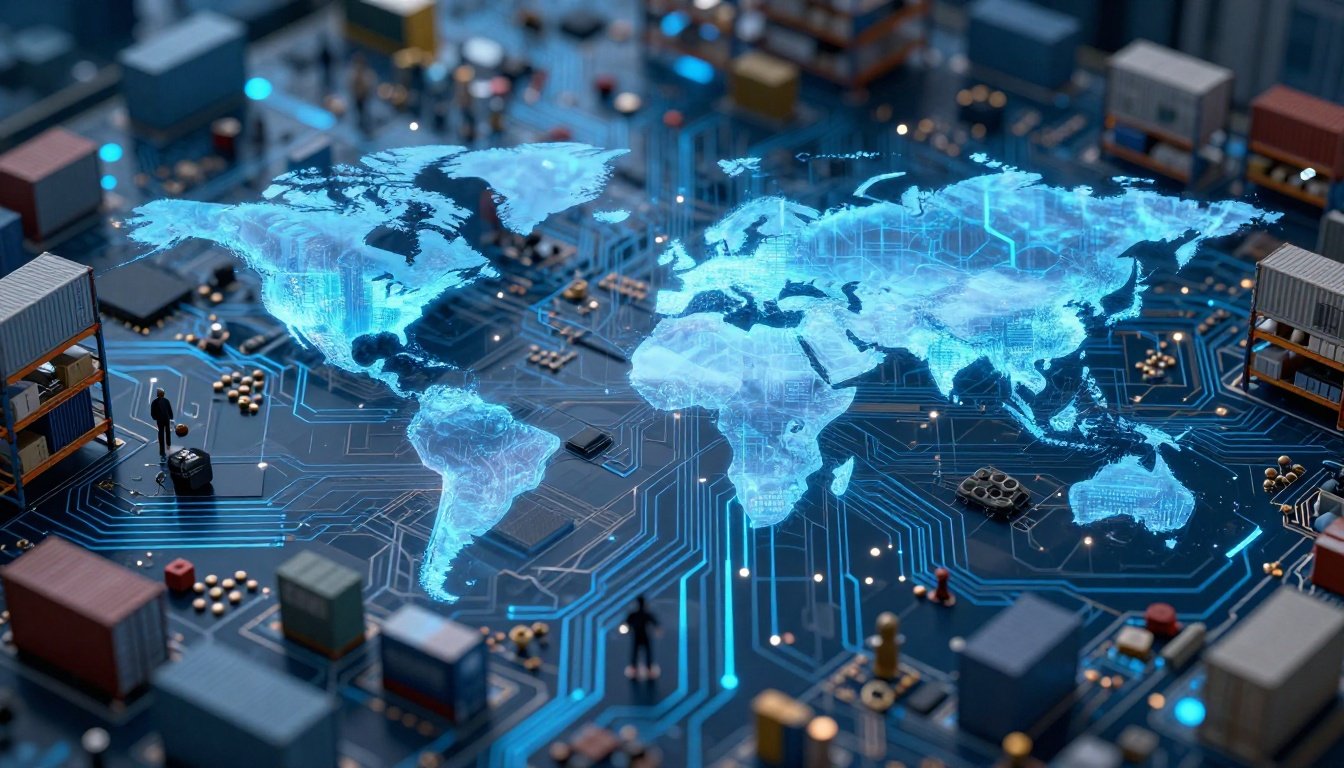
The global pandemic exposed weak spots in supply chains everywhere. Factories shut down. Ports clogged up. Companies scrambled to keep goods moving. Now, in 2026, businesses face constant disruptions from weather events to trade tensions. AI steps in as the key tool to build stronger, smarter operations. This article breaks down how AI in supply chain management goes beyond simple tools. It enables smart choices that predict issues and boost efficiency. You can't ignore it anymore if you want to stay ahead in logistics.
Understanding the Core of AI in Supply Chain Operations
Artificial intelligence in supply chain management means systems that learn and adapt like humans do. Think of it as software that spots patterns in data to make decisions. Unlike old-school ERP systems that just track orders, AI uses machine learning to forecast and adjust on the fly. Deep learning even handles complex images or voices for better insights.
Machine Learning for Demand Forecasting Accuracy
Machine learning algorithms chew through huge piles of data fast. They mix sales history with weather patterns and social media buzz. Traditional forecasts often miss the mark by 20-30%. But ML cuts errors down to under 10%, according to recent industry reports. You can pull in outside feeds like stock market shifts or holiday trends. This leads to orders that match real needs, not guesses.
Predictive Analytics vs. Descriptive Analytics
Descriptive analytics tells you what already happened. It shows past sales or delays in reports. Predictive analytics looks ahead. It flags potential bottlenecks, like a truck breakdown before it strands cargo. Or it predicts lead time swings from supplier issues. Key wins include slashing stockouts by 25% and cutting excess inventory costs. Companies see faster cash flow and happier customers.
Natural Language Processing (NLP) in Supplier Management
NLP reads emails, contracts, and news articles without human eyes. It pulls out risks, like a supplier's labor strike mentioned in a report. Traditional reviews take weeks. NLP does it in hours. You get instant alerts on contract terms or performance dips. This helps negotiate better deals and avoid surprises.
Key Applications: Where AI Delivers Immediate ROI
AI shines in real-world spots that save money right away. Big players like Amazon and Walmart already use it to trim costs and speed delivery. These tools turn data into dollars fast. Let's look at how.
Inventory Optimization and Working Capital Reduction
AI tweaks stock levels based on live data. It calculates safety buffers that fit exact demand curves. No more overstocking slow sellers or running out of hot items. The "just-in-time" model gets a boost with real-time views. Try this: Use ML to group SKUs by sales speed. Cluster analysis spots the laggards. One firm cut working capital by 15% this way. Less cash tied up means more for growth.
Autonomous Warehouse Management and Robotics
Robots in warehouses follow AI paths to grab items quicker. Automated guided vehicles zip around without crashes. AI plans shelf spots based on what orders look like ahead. DHL uses this to handle peaks without extra hires. Picking accuracy jumps to 99%. You save on labor and errors drop. It's like having a tireless team that never sleeps.
Intelligent Route Planning and Last-Mile Delivery
Trucks reroute on the spot for traffic jams or weather hits. AI weighs vehicle loads, stops, and deadlines. In cities, this cuts delivery times by 20-30%. UPS saves millions in fuel yearly with similar tech. Last-mile woes, like finding parking, get solved with smart apps. Customers get packages faster, and you burn less gas.
Enhancing Supply Chain Visibility and Risk Mitigation
You need clear sight across your whole chain, from raw materials to final drop-off. AI glues data from suppliers and sensors into one view. It turns chaos into clear risk alerts. No more blind spots in multi-layer networks.
Real-Time Anomaly Detection
Sensors on trucks and shelves feed data nonstop. AI watches for odd spikes, like a fridge failing in food transport. It pings you before spoilage hits. Customs snags get flagged early too. This prevents losses that add up quick. Cold chain firms report 40% fewer issues with AI guards.
Supplier Risk Scoring and Due Diligence Automation
AI checks a supplier's books, news, and rules every day. It scores them on money woes or political heat. Forget yearly checkups; this runs live. It even helps meet regs like trade laws. One retailer automated this and dropped bad partners by half. Your chain stays solid.
Digital Twins for Scenario Planning
A digital twin mirrors your real supply setup in software. Run tests on it, like a storm closing a port. See impacts without real pain. Adjust plans before trouble strikes. Auto makers use twins to test outage fixes. It builds flexibility into your ops.
Overcoming Implementation Hurdles and Future Trends
Rolling out AI isn't always smooth. Data messes and skill shortages slow things. But smart steps make it work. Look ahead to how it blends with other tech.
Data Quality and Integration Challenges
Garbage data leads to bad AI calls. Start clean and standard across systems. Tip: Pick one area, like tracking lead times. Normalize that data first in a small test. Fix issues there before going big. This builds trust and scales easy.
Talent Gap: Upskilling the SCM Workforce
Supply chain jobs now need data smarts. Train your team to pair gut feel with AI outputs. Data pros team up with old hands for best results. Online courses fill gaps quick. Firms that train see 25% better adoption rates.
The Convergence of AI, Blockchain, and IoT
IoT grabs data from everywhere. AI crunches it for insights. Blockchain locks in secure trades. Together, they make chains tough and clear. Think tamper-proof tracking from farm to store. This trio cuts fraud and speeds trust.
Conclusion: The Intelligent Supply Chain of Tomorrow
AI shifts supply chains from fixing problems to stopping them. It predicts demand, spots risks, and optimizes every step. In 2026, skipping AI means falling behind rivals who move faster and cheaper. Embrace it for steady wins in logistics. Your operations will run smoother and stronger. Key Takeaways: AI focuses on predictions to beat basic automation. Clean data forms the base for real gains. Risk checks must happen all the time, not just once a year. Ready to upgrade your supply chain? Start with a quick AI audit today. You'll see the difference soon.