The Definitive Guide to the Best AI Voice Generators for Content Creators in 2026
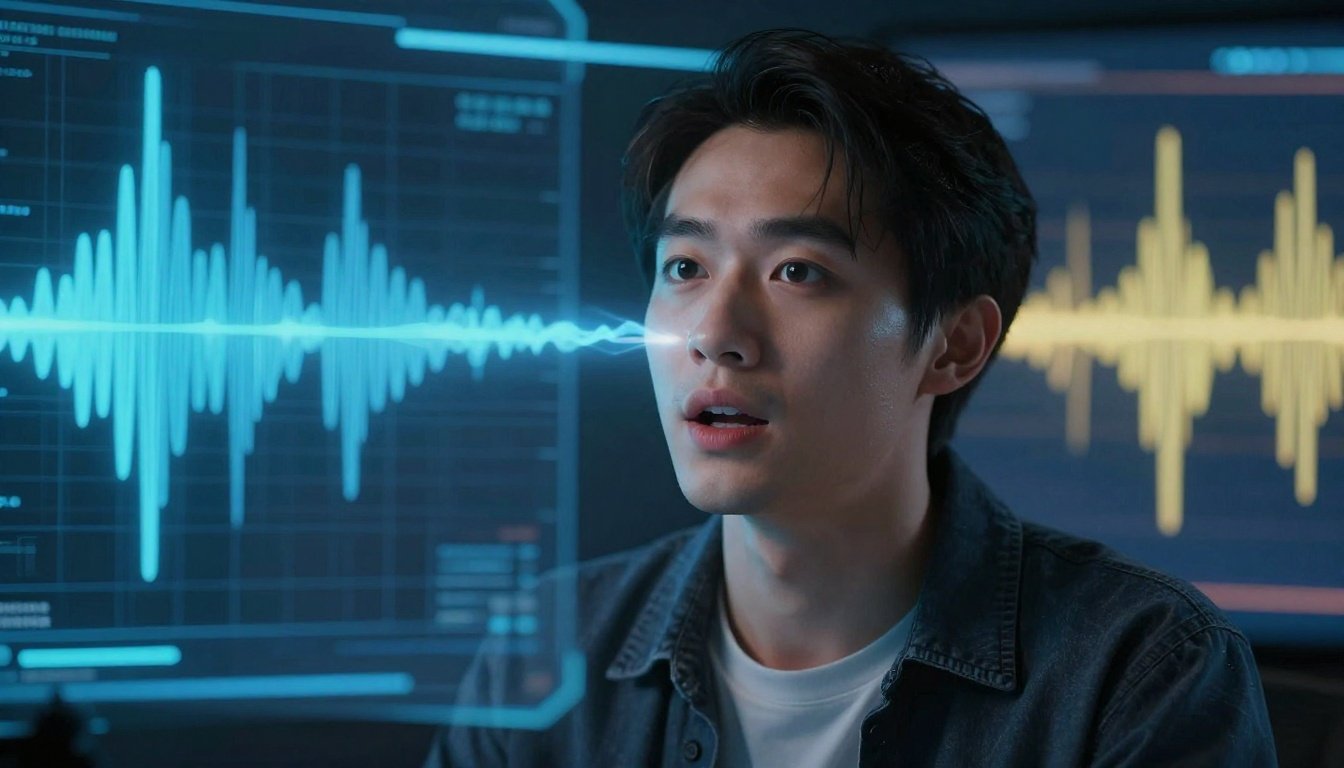
Imagine producing a podcast episode or YouTube video without hunting for voice talent or booking studio time. In 2026, content creators like podcasters, YouTubers, and eLearning makers face tight deadlines and global audiences. AI voice generators have changed everything, letting you create pro-level audio in minutes.
These tools go way past old robotic voices. Now, they deliver sounds that feel real, with emotions and accents that match your script. As demands grow, skipping this tech means falling behind. This guide covers the top AI voice generators for content creators, helping you pick the right one to boost your work.
Section 1: Understanding the 2026 AI Voice Landscape
The Evolution of Text-to-Speech (TTS) Fidelity
AI voice tech has jumped ahead since 2024. Voices now handle emotions like excitement or calm with ease. Prosody — the rhythm and flow of speech — sounds natural, almost like a human storyteller.
Multi-language support covers over 100 tongues, including dialects. Industry tests show naturalness scores above 95%, up from 80% a few years back. Creators get audio that fools listeners into thinking it's live-recorded.
This shift helps podcasters reach more people without extra hires. Tools process scripts fast, keeping your ideas fresh.
Key Decision Factors for Content Creators
Voice quality tops the list for realism. You want tones that fit your brand, not stiff reads. Latency matters too — quick generation saves hours on edits.
Customization lets you tweak pitch, speed, and feelings. Integration via APIs or plugins fits right into tools like Adobe Premiere or WordPress. Pick based on your needs: simple clips or full campaigns.
Test free versions to see what clicks. Balance these factors to avoid wasting cash on unused features.
Pricing Models: Subscription vs. Pay-Per-Use
Subscriptions run $10 to $50 monthly for unlimited use. They suit heavy creators who churn out weekly videos. Pay-per-use charges per minute, often 5–20 cents, great for one-off projects.
High-volume users save with subscriptions, cutting costs by up to 40%. Intermittent makers avoid fixed fees. In 2026, most platforms offer hybrid plans to mix both models.
Compare tiers early. This way, you match spending to your output without surprises.
Section 2: Top Contenders — Reviewing the Leading AI Voice Generators
ElevenLabs: The Industry Benchmark for Realism
ElevenLabs sets the bar for human-like voices in 2026. Its default options capture subtle breaths and inflections, perfect for long narrations. Audiobooks flow smoothly, with no jarring breaks.
Podcasts like "Tech Talk Daily" use it for guest spots, blending AI with real hosts seamlessly. Strengths include high-fidelity outputs at low latency — under 2 seconds per clip. Creators praise its library of 500+ voices across accents.
For content pros, it shines in detailed scripts. Start with their basic plan for quick tests.
Murf.ai: Best for Rapid Prototyping and Multilingual Content
Murf.ai excels at speed and global reach. Generate voiceovers in 20+ languages in under a minute. It's ideal for video localization, turning English scripts into Spanish or Hindi dubs fast.
Marketers use it for campaigns that hit multiple countries without delays. Features like auto-translation keep consistency. Pricing starts at $19 monthly, with pay-per-character options.
This tool boosts prototyping — draft, voice, and refine in one go. Global creators scale easier than ever.
Respeecher: The Leader in Custom Voice Cloning and Branding
Respeecher leads in voice cloning, letting you build a unique audio identity. Upload samples to create synthetic versions of your own voice or a brand's. Ethics built-in checks prevent misuse.
Companies like Nike use cloned voices for ads, keeping tones steady across videos. The process takes hours, not days, with fine controls for style. Libraries offer pre-made clones for quick starts.
For branding, it ensures every piece sounds like you. Free trials let you clone a short sample right away.
Emerging Disruptors to Watch in 2026
New players like Voicemod AI focus on gaming chats with dynamic emotions. They handle sarcasm or urgency better than big names. Niche tools like EchoVoice target eLearning with clear enunciation.
These upstarts challenge leaders by adding fun filters or real-time tweaks. Watch for integrations with VR platforms. Early adopters get edges in specialized fields.
Keep an eye on updates — they grow fast in this space.
Section 3: Voice Cloning and Customization — Building Your Digital Persona
Ethical Considerations in Voice Replication
Voice cloning raises important questions in 2026. Laws require consent for any sample used. Platforms like Respeecher verify rights before processing.
Check permissions if cloning celebrities or team members — fines can reach $10,000 for violations. Stick to your own voice for safety. This keeps your content legal and trusted.
Actionable tip: Review platform policies and get written approval before starting any cloning project.
Advanced Voice Tuning: Controlling the Performance
Tune voices with SSML tags for pauses or stress. Add <break time="500ms"/> to mimic natural gaps. Control emphasis on key words to guide listeners through your message.
Breaths and speed adjust via sliders in most apps. This fixes flat deliveries. For tricky words like "lead," specify pronunciation in prompts for clarity.
Tip: Test SSML in free editors to nail timing without burning through your generation quota.
Integrating Custom Voices into Workflows
Cloud APIs plug into scripts for auto-generation. Desktop apps like Audacity handle local edits. For full pipelines, Zapier connects generators to your CMS automatically.
Batch process episodes overnight. This streamlines the journey from script to publish. Choose based on your setup — cloud solutions for teams, desktop apps for solos.
Section 4: Workflow Optimization — Integrating AI Voices into Content Production
Podcasting and Audio-First Content Strategies
AI voices handle intros and ads without hiring. Full episodes work for niche topics where human experts are rare. Layer synth narration under music for depth and professionalism.
Use tools to vary tones per segment. This keeps listeners hooked. Tip: Balance volume so voice sits 3dB above music tracks — use free meters in GarageBand or Audacity.
Podcasters consistently cut production time by 70%. Your show can sound professional on a tight budget.
Video Production and Localization Efficiency (YouTube & Social Media)
Create dubs for shorts in minutes, reaching entirely new markets. A tutorial in English becomes a French version overnight. Creators like "DIY Guru" have tripled views using this approach.
Tools sync audio to visuals automatically. Export MP3s straight to your video editor. This speeds global growth without needing subtitles alone.
eLearning and Corporate Training Applications
Consistent voices prevent listener fatigue in long training modules. AI tools also check pronunciation for accuracy. Features like speed controls aid learners at different comprehension levels.
Trainers are using these tools to produce 10-hour courses at a fraction of traditional costs. Clarity scores hit 98% in independent tests. This sector demands reliability — and AI delivers.
Section 5: Maximizing Quality — Actionable Tips for Superior Output
Prompt Engineering for Synthetic Speech
Craft prompts with tone cues: "Speak confidently as a professional coach." Add context like "Energetic delivery for a workout video." This pulls significantly better results from the model.
Vary phrasing to avoid repetitive patterns. Test multiple iterations for the right vibe. Advanced users layer descriptors to dial in sarcasm, warmth, or authority.
Your inputs shape the output — invest time in refining your prompts before scaling.
Post-Processing Techniques for Polished Audio
Master with EQ to warm up thin tones. Normalize peaks to -1dB. Free plugins like Audacity's de-esser cut harsh sibilance on s-sounds.
Light compression evens out the dynamics. This polishes AI audio without going overboard. Tip: Boost mids at 2–5kHz for presence and clarity in the mix.
Troubleshooting Common AI Artifacts
Fix word stress issues by splitting sentences at natural break points. For tricky homographs like "record," specify the correct form in your prompt. Robotic breaths can be faded out with pause tags or simple volume automation.
Most platforms offer built-in artifact removers — use them first before diving into manual edits. If issues persist, simply regenerate that section. The majority of problems resolve in a single tweak.
Conclusion: The Future of Voice in Content Creation
AI voice generators have become essential tools for creators in 2026. They save time, cut costs, and open global doors that were previously closed to indie creators and small teams.
From the realism of ElevenLabs to the cloning power of Respeecher, options now fit every need and budget. Beginners should start with Murf.ai for its ease and multilingual perks. Enterprises benefit most from ElevenLabs at scale. Niche innovators should explore Respeecher to craft a truly unique sonic identity.
Test the free trials available today. Step into this technology and watch your content reach new heights — and new audiences.