Revolutionizing Talent Acquisition: How Companies Use AI for Hiring Success

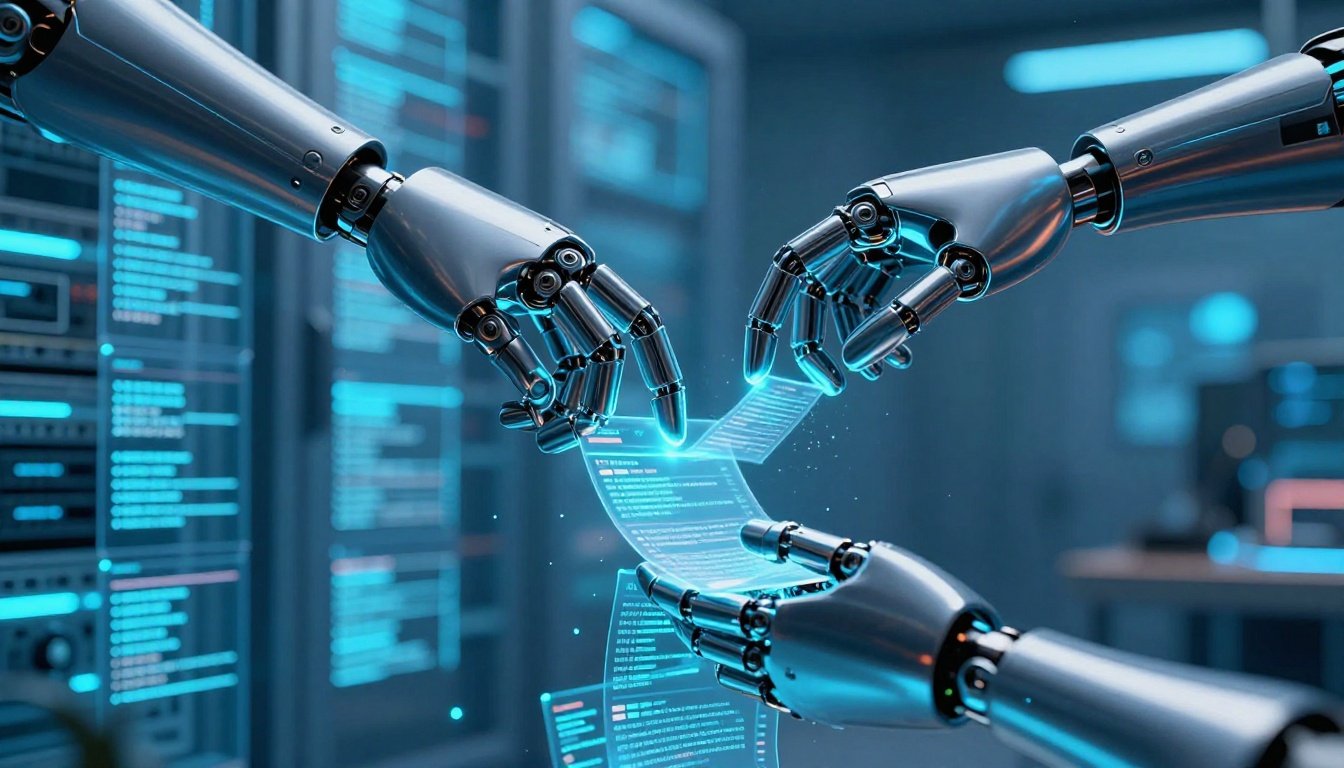
Hiring the right people can feel like finding a needle in a haystack. With job applications pouring in by the thousands, companies struggle to keep up. AI in HR changes that game. It uses smart algorithms to sift through data and spot top talent quickly. Think about traditional recruiting. You post a job ad and wait for resumes to flood your inbox. Then, teams spend hours reading each one, often missing great fits due to fatigue or oversight. AI steps in to handle the heavy lifting. It defines itself in human resources as tech that mimics human smarts for tasks like screening and matching. This shift to data-driven choices speeds things up, cuts down on biases, and lets firms scale their search without burning out staff. The benefits hit hard. Speed means filling roles in weeks, not months. Bias reduction helps build fairer teams by focusing on skills over gut feelings. And scale? AI manages massive volumes that would bury any recruiter. In a world where talent wars rage, these tools address the rush head-on.
AI in Sourcing and Attraction: Finding the Right Candidates Faster
Companies now use AI to hunt for talent before candidates even apply. This top-of-the-funnel approach pulls in both active job seekers and those happy in their roles. It saves time and boosts the quality of the pool right from the start. AI tools scan vast networks to build lists of potential hires. They match skills to job needs without endless manual searches. Firms see faster results and less wasted effort.
Intelligent Sourcing Bots and Candidate Relationship Management (CRM)
AI bots roam sites like LinkedIn and job boards. They pull profiles that fit open positions. Internal databases get a fresh look too, spotting overlooked stars inside the company. These systems nurture leads over time. Chatbots send tailored messages to keep candidates warm. For example, a software firm might ping a developer with updates on cool projects. This builds relationships without constant human input. Personalized outreach works wonders. AI crafts emails based on past interactions. It tracks responses to refine future contacts. Recruiters then focus on high-potential chats.
Programmatic Job Advertising and Optimization
Ads no longer guess where to run. AI directs budgets to platforms that deliver the best clicks. It tests spots like Facebook or Indeed and shifts funds to winners. Dynamic tweaks keep ads fresh. If one version pulls more engineers, AI swaps it in. This optimization draws in applicants who match the role closely. Take a marketing team hiring a content specialist. AI spots that Instagram yields creative types. It adjusts bids there, cutting costs while raising applicant quality. Firms report up to 30% better hires from these smart campaigns.
Predictive Analytics for Pipeline Health
AI looks at past hires to guess future needs. It spots skill shortages early, like a coming wave of data scientists required. This foresight keeps pipelines full. Time-to-hire forecasts help plan ahead. Models crunch numbers from old searches to predict delays. Teams adjust strategies to beat bottlenecks. One retail chain used this to prep for holiday rushes. AI flagged gaps in logistics staff months out. They filled roles ahead, avoiding last-minute scrambles.
Streamlining Screening and Assessment: Eliminating Resume Overload
Resumes stack up fast—hundreds for one spot. AI cuts through the pile in minutes. It flags the best matches and flags out the rest, easing the load on HR. This step turns chaos into order. No more overlooked gems or bad fits slipping through. Efficiency soars as humans tackle deeper reviews.
AI-Powered Resume Parsing and Ranking
Natural language processing reads resumes like a pro. It breaks down text to pull key facts: skills, jobs, education. Keywords from the job post guide the match. Ranking comes next. AI weighs features like experience length over buzzwords. A candidate with proven sales wins might top a flashy but untested one. Tools like these parse thousands hourly. They ensure consistency—no mood swings affect scores. Companies using them hire 40% faster, per recent studies.
Automated Initial Screening Interviews via Chatbots
Chatbots run first talks around the clock. They ask about availability or basic skills. Responses get scored on clarity and fit. Logistical questions clear up quick: "When can you start?" Competency checks probe deeper: "Tell me about a tough project." AI notes patterns in answers. This weeds out mismatches early. A tech firm might quiz on coding basics. Strong replies move folks forward; weak ones end politely.
Bias Mitigation in Initial Review
AI sticks to facts, dodging human slips like favoring similar backgrounds. It scores on merit if trained right. Clean data sets make this possible. Audits keep things fair. Teams check outputs across groups to spot issues. Adjustments fix any hidden leans. One bank audited its AI and found tweaks needed for age balance. Post-fix, diverse hires rose 25%. Fair tools build trust in the process.
Enhancing Candidate Experience Through AI Interactivity
AI doesn't just help inside—it wows applicants too. Quick replies and custom tips make the journey smooth. Happy candidates spread good word, aiding future hunts. This focus turns applicants into fans. Even rejections feel thoughtful. Brands gain an edge in tight talent markets.
24/7 Candidate Support and FAQ Management
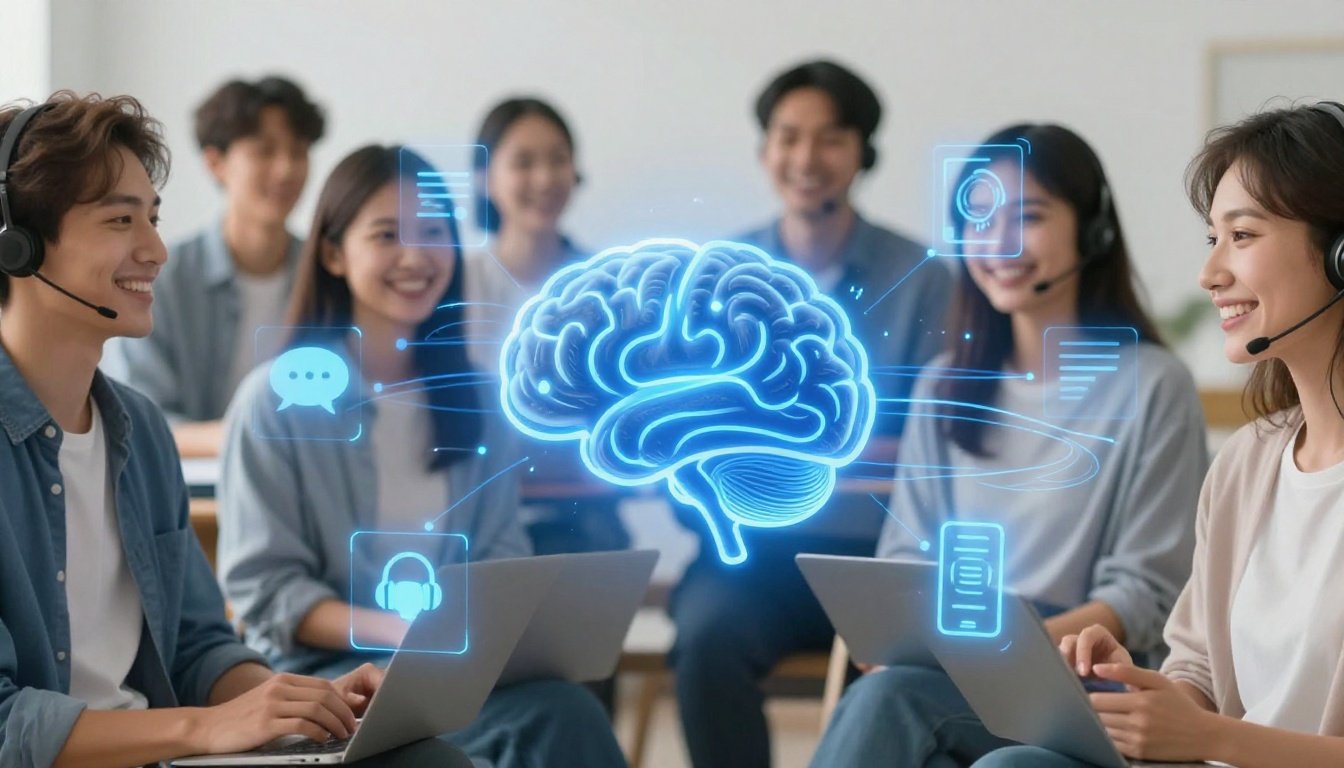
Chatbots answer queries anytime. Questions on perks or next steps get instant hits. No waiting for email replies. Common topics include culture fits or interview tips. AI pulls from knowledge bases for spot-on info. This cuts frustration and speeds decisions. A global firm saw drop-off rates fall 15% with round-the-clock bots. Applicants stayed engaged longer.
Personalized Career Path Suggestions
AI scans profiles for hidden matches. Not right for this job? It suggests others inside the company. Or points to training paths. This keeps doors open. A rejected sales hopeful might hear about marketing roles. It shows the firm cares about growth. Goodwill lasts. Candidates remember the helpful nudge. Some return later as strong fits.
Scheduling Automation and Interview Coordination
AI syncs calendars in seconds. It finds slots that work for all in multi-round processes. No more email ping-pong. Tools like these handle invites and reminders. Changes update everyone fast. Complex loops with five interviewers? AI sorts it. One startup cut scheduling time by 70%. Panels started on time, impressing candidates.
Advanced Assessment and Predictive Hiring Tools
AI digs deeper now, beyond basics. It predicts how folks will perform on the job. This leads to smarter picks that stick. Tools blend data for full views. They spot stars who thrive long-term. Risks like quick quits get flagged early.
AI Analysis of Video Interviews
Software watches video chats for clues. It checks tone for confidence or words for role fit. Facial cues hint at engagement. Debate swirls around this tech. Privacy worries and accuracy questions linger. Firms must use it with care and consent. A sales team tested it and found it nailed enthusiasm levels. Hires from these reviews outperformed others by 20%.
Gamified Assessments and Cognitive Testing
Games test skills in fun ways. AI tweaks challenges as you play, ramping up based on speed. It measures focus and smarts. Problem-solving shines through puzzles. Reaction times show quick thinking. Scores tie to real job needs. Candidates enjoy the break from dry tests. One firm saw 50% more completions. Insights helped pick detail-oriented hires.
Predicting Job Performance and Retention Risk
Models mix scores with past data. They compare newbies to top performers. Likelihood of success gets a number. Cultural fit factors in too. Will this person mesh with the team? AI weighs it all. Retailers use this to cut turnover. Predictions spot flight risks. Hires last longer, saving rehire costs.
Ethical Implementation and Future Considerations for AI in Hiring
AI brings power but needs guardrails. Ethical use ensures fairness and trust. Companies must balance tech with values. Oversight prevents pitfalls. Regular checks keep systems honest. This builds a solid foundation for growth.
Auditing Algorithms for Unfair Bias
Start with data reviews. Scrub training sets for imbalances. Test results on diverse groups to catch slips. Transparency matters. Explain how decisions form. Invite feedback from users. Steps like these fix issues fast. A tech giant audited quarterly and boosted fair hires across lines.
Maintaining the Human Touchpoint
AI aids but humans decide finals. Negotiations need empathy. Complex stories require judgment calls. Recruiters oversee the flow. They add context AI misses. This blend yields best results. Teams that pair tech with people see higher satisfaction. Hires feel seen, not scanned.
Compliance and Data Privacy (GDPR, CCPA, etc.)
Laws demand clear consent. Tell candidates what data AI uses. Secure storage prevents leaks. GDPR in Europe and CCPA in California set rules. Follow them to avoid fines. Train staff on updates. One firm integrated privacy notices in apps. Trust scores rose, drawing more applicants. Compliance protects everyone.
Conclusion: The Intelligent Future of Work
AI in HR reshapes hiring from top to bottom. It speeds sourcing, streamlines screens, and boosts experiences. Matches improve, biases fade, and scales grow. Yet success hinges on ethics. Audit tools, keep humans in loop, and mind laws. This oversight turns AI into a true ally. Looking ahead, AI will plan workforces smarter. It evolves from screener to strategist. Companies that adopt wisely win the talent race. Ready to try AI for your next hire? Start small and watch the difference.